AIA4OneHealth explores collaboration with the Global Health Institute, American University of Beirut, on Epidemic and Pandemic Preparedness
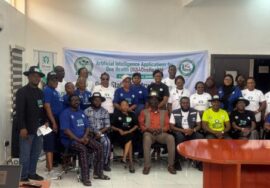
On 15 October 2026, the AIA4OneHealth team held a virtual collaboration meeting with Jaafar Tfayli, Manager of the Epidemic and Pandemic Preparedness Program (EPaPP) at the Global Health Institute (GHI), American University of Beirut (AUB). The meeting explored how the two teams could work together on epidemic and pandemic preparedness.
About EPaPP
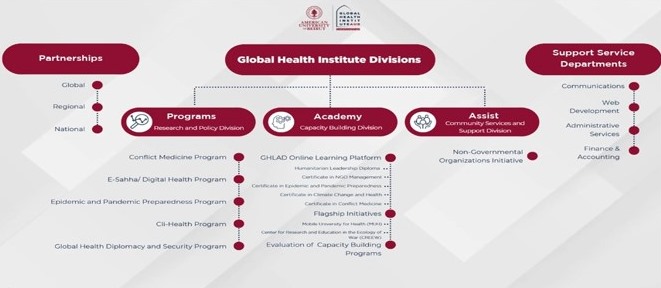
EPaPP is a regional programme within GHI’s Research and Policy division. It works to understand the state of epidemic and pandemic preparedness in the Middle East and North Africa (MENA) region and to develop solutions suited to local contexts for current and future outbreaks. Building on expertise at AUB and capacities across the region, it generates evidence and fosters regional and global partnerships to strengthen preparedness through the workforce, information systems and governance.
Its initiatives include:
- the Epidemic and Pandemic Preparedness Data Portal (PDP), a resource centre for situational awareness, planning and coordination;
- the Preparedness Gateway (PPG), a stakeholder map and collaboration portal for finding preparedness experts;
- an online Certificate on Epidemic and Pandemic Preparedness (CEPP), tailored to training needs in the MENA region;
- the Preparedness Information Hub (PIH) of guides, datasets, visualisations and reports;
- PREPARE MENA, an interactive platform for comparing preparedness capacities and gaps across MENA countries;
- the upcoming Preparedness Exchange Hub (PEPPEx), a regional network for professionals and organisations.
Shared ground
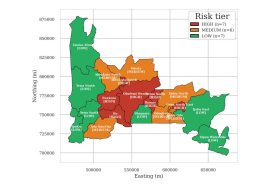
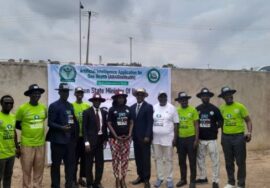
Like EPaPP, AIA4OneHealth focuses on the information systems and workforce that early warning depends on. Our IDS-Master platform supports disease surveillance with the Ogun State Ministry of Health, and our AI4MPOX work maps mpox risk at Local Government Area level. The meeting looked at how experience from West Africa and the MENA region can inform each other, through surveillance tools, data, research and training.
We thank Jaafar Tfayli and the Global Health Institute for a productive exchange, and look forward to working together towards stronger epidemic and pandemic preparedness across our regions.